
Twenty years after the European Court of Justice delivered its verdict, the name Jean-Marc Bosman remains synonymous with a revolution in football. Sir Alex Ferguson once described the aftermath as a 'free-for-all,' a testament to the seismic shift the ruling caused. This decision didn't just resolve one player's dispute; it dismantled the decades-old transfer system and redrew the map of power in professional football.
The Case of Jean-Marc Bosman
In 1990, Belgian midfielder Jean-Marc Bosman's contract with RFC Liège expired. He had an offer from French club Dunkirk, but Liège blocked the move by demanding a transfer fee that Dunkirk could not afford. Under the pre-Bosman system, clubs retained a player's registration even after their contract ended, effectively controlling their career. When the transfer collapsed, Liège punitively cut Bosman's salary by 75%, setting the stage for a legal challenge that would change everything.
A Five-Year Fight for Freedom
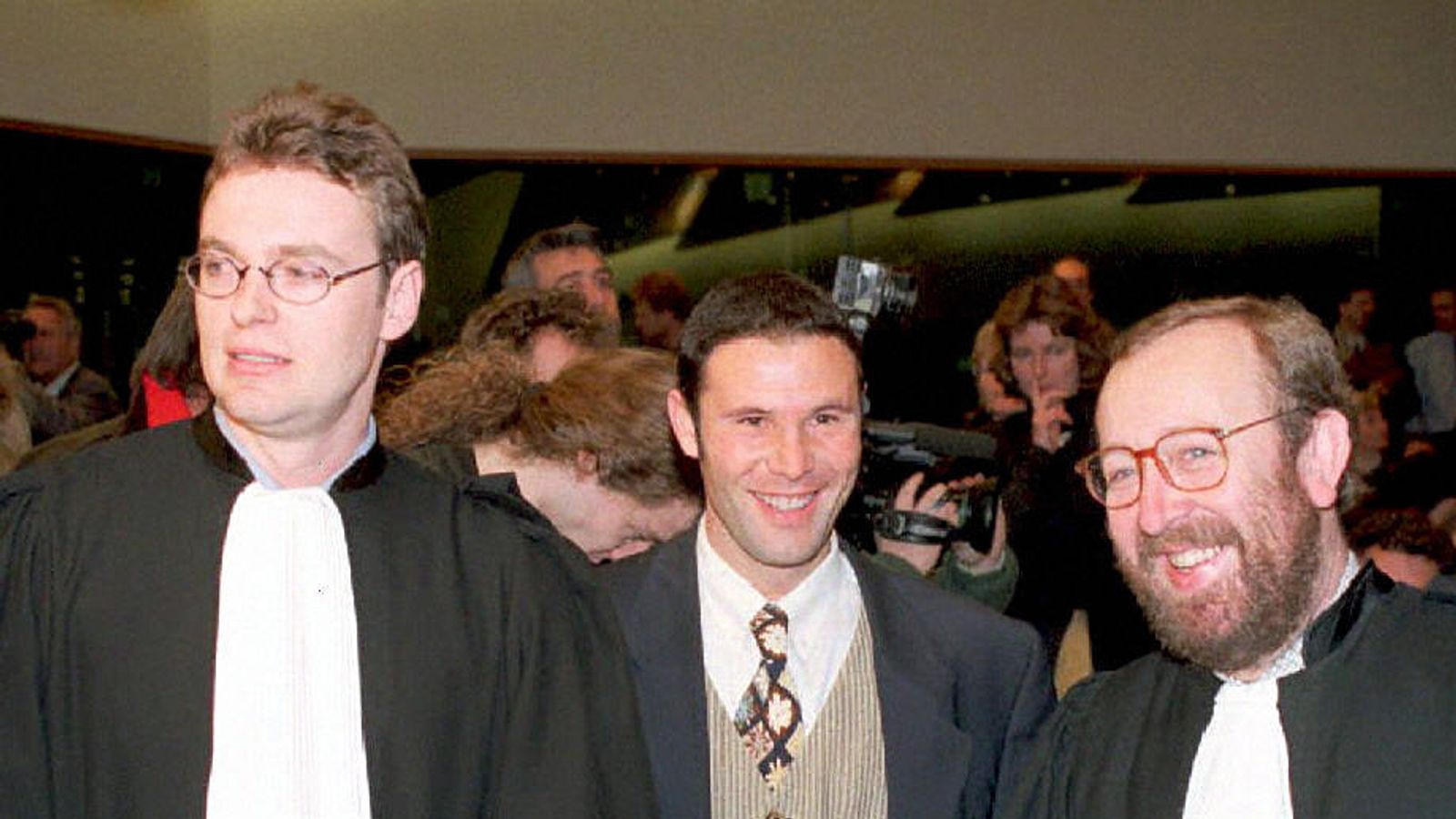
Bosman, with his lawyers Luc Misson and Jean-Louis Dupont, took his case to the European Court of Justice. Their argument was simple yet powerful: the existing transfer rules violated the 1957 Treaty of Rome, which guaranteed freedom of movement for workers within the European Union. The five-year legal struggle took a heavy toll on Bosman's career, as he was largely ostracized by the football community. However, on December 15, 1995, the court ruled in his favor, affirming that players were free to join a new club at the end of their contract without a fee.
The Immediate Aftermath and Long-Term Consequences
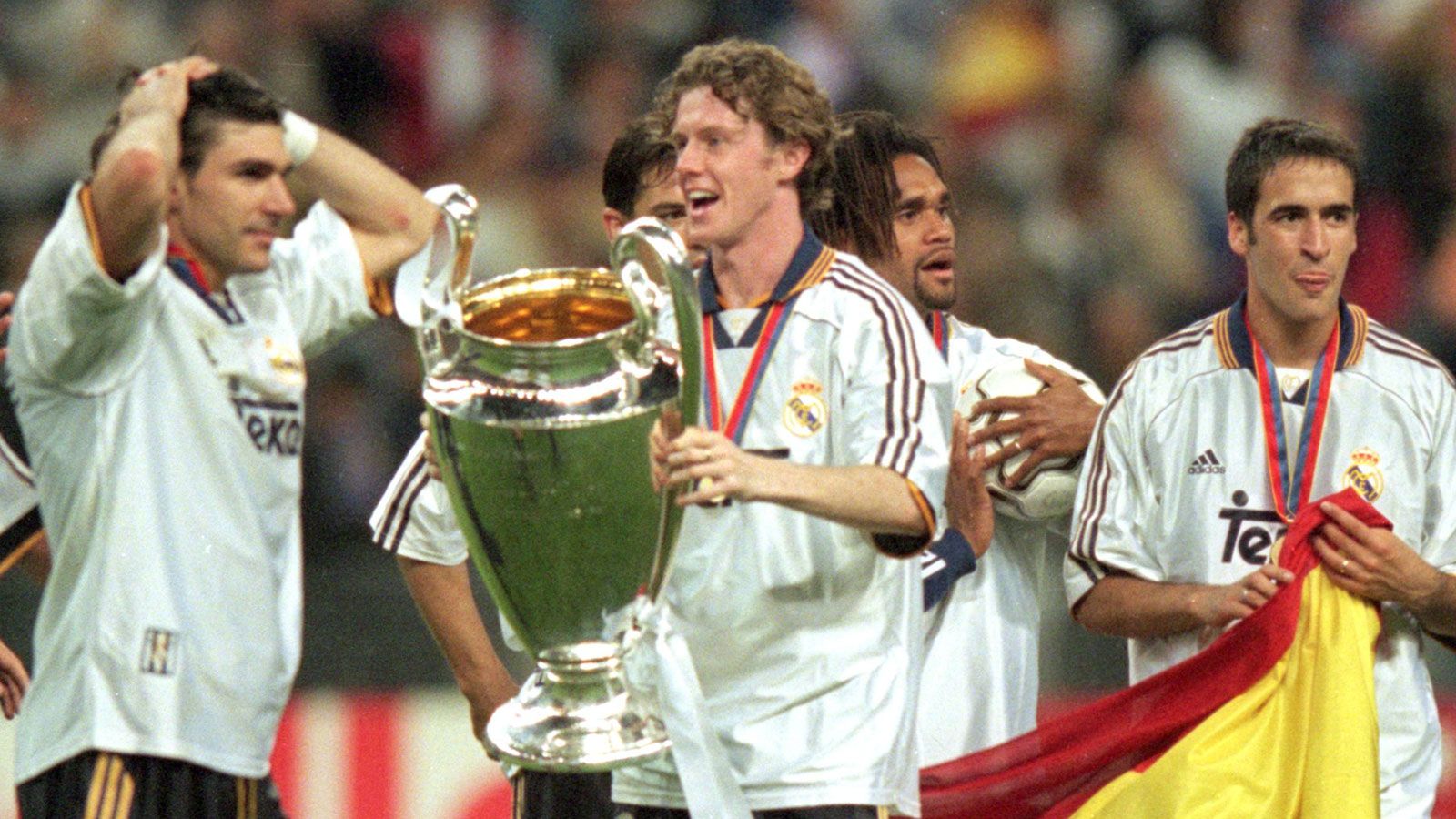
The verdict handed immense power to the players. No longer bound by a club's registration, footballers could leverage their out-of-contract status to demand higher salaries and substantial signing-on fees. This dynamic also empowered player agents, who became indispensable in negotiating these newly complex deals. High-profile transfers soon followed, such as Steve McManaman's move from Liverpool to Real Madrid in 1999 and, most famously in England, Sol Campbell's controversial switch from Tottenham to rivals Arsenal in 2001.

Unintended Consequences: The Widening Gap
While hailed as a victory for player rights, the ruling had unforeseen consequences. As Bosman himself later noted, the new system allowed elite clubs to acquire world-class talent without compensating the smaller clubs that had developed them. This accelerated the concentration of talent and wealth at the top of the football pyramid, deepening the economic divide. The era of free-spending super-clubs was born from the ashes of the old system.

Beyond Transfers: The Impact on Squad Composition
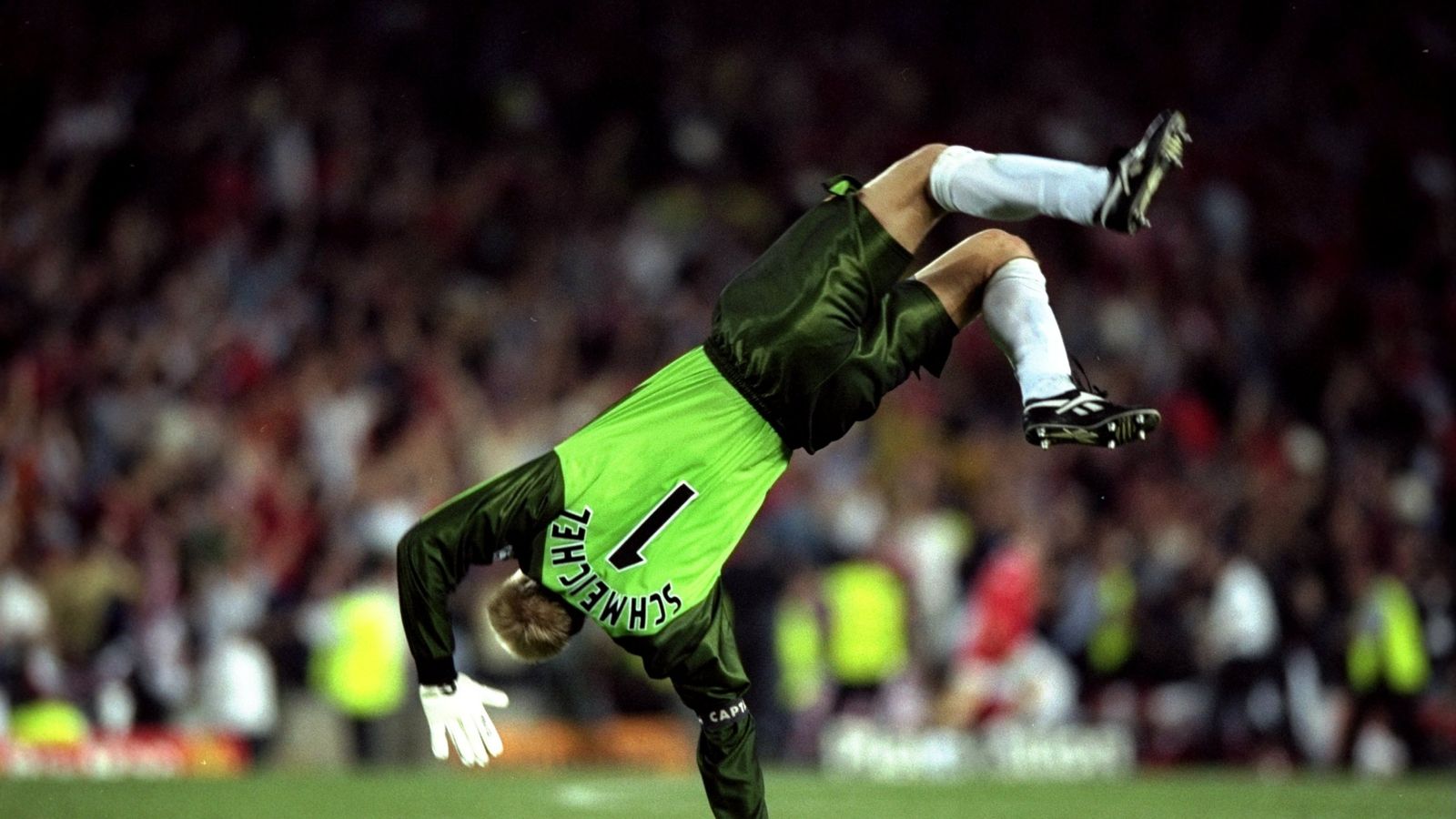
The Bosman ruling had another critical effect: it eliminated nationality quotas for EU players within EU-based leagues. Before 1995, clubs were limited by a 'three-plus-two' rule in European competitions. The ruling rendered this obsolete. Manchester United's 1999 Champions League-winning side, featuring eight non-English players, would have been impossible just four years earlier. This change led to the cosmopolitan, international squads that define modern top-flight football today.
Though Jean-Marc Bosman's own career ended in obscurity, his name is etched into the legal and economic fabric of football. His personal sacrifice triggered a chain reaction that continues to shape every transfer window, every contract negotiation, and the very structure of the modern game.